Maintaining strength, mobility and independence as we age is one of the most important factors in supporting overall health and wellbeing.
On World Physiotherapy Day, Southern Cross Care WA Physiotherapist Rana Gaber shares practical advice to help older adults stay active, reduce their risk of falls and continue doing the things they enjoy.
According to Rana, one of the most important things older adults can do is to keep moving regularly and stay consistent with a combination of strength exercises, walking, balance training and flexibility work.
“Regular movement can help maintain muscle strength, joint mobility and independence.
“It is also important to stay well-nourished, get enough sleep and address pain or changes in mobility early rather than avoiding movement,” she said.
When it comes to physical activity, Rana encourages older adults to stay active throughout the week with activities such as walking, strengthening exercises and balance training.
“The key is consistency,” she explained.
“The most important thing is to move regularly and avoid long periods of inactivity. Activity should be adapted to each person’s capabilities, health and fitness level, with gradual increases over time.”
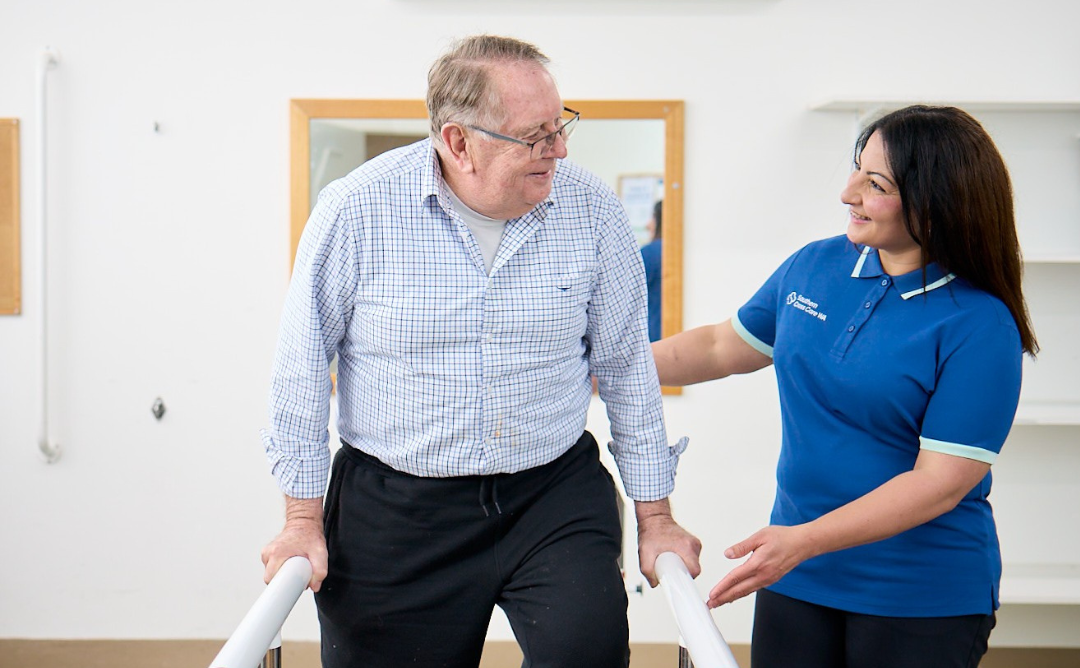
Balance exercises can play an important role in reducing the risk of falls and helping older adults remain confident with movement. Rana recommends practising regularly and safely, with support nearby if needed.
Some simple exercises include:
- Sit-to-stand functional training: Standing up from a chair and sitting back down slowly.
- Gentle marching on the spot: While holding onto a stable surface for support.
- Heel raises: Holding onto a stable surface and slowly raising your heels off the ground.
- Heel-to-toe walking: Walking in a straight line with one foot directly in front of the other.
Changes in strength and mobility can happen gradually, making them easy to overlook. Rana says it is important to watch for signs such as:
- Difficulty rising from a chair, getting out of the car, or getting out of bed
- A slower or less steady walking pace
- Needing to use furniture for support
- Avoiding stairs or certain activities
- Difficulty carrying everyday objects
- Increased concern about falling
- Frequent falls or a noticeable decline in independence
“If you notice any of these changes, it is recommended to see a health professional for an early assessment,” Rana said.
“A physiotherapist can identify what is contributing to the problem and provide an appropriate exercise program before issues progress.”
Rana’s top three tips for ageing well:
1. Keep moving
Find activities you enjoy and make movement part of your daily routine.
2. Keep yourself strong
Include strength and balance exercises alongside walking at least twice a week.
3. Don’t ignore changes
If pain, weakness, falls or reduced confidence start affecting daily life, seek professional advice early.
The benefits of exercise extend well beyond physical fitness. Regular movement can help improve mood, reduce stress and anxiety, support better sleep, and maintain cognitive and social wellbeing.
“Becoming stronger and more confident with movement can make everyday activities feel easier and reduce the fear of falling,” Rana said.
By staying active, maintaining strength and seeking support when needed, older adults can continue to enjoy greater independence, confidence and quality of life.
For more information about physiotherapy at Southern Cross Care WA, call 1300 669 189